KEYNOTE SPEAKERS
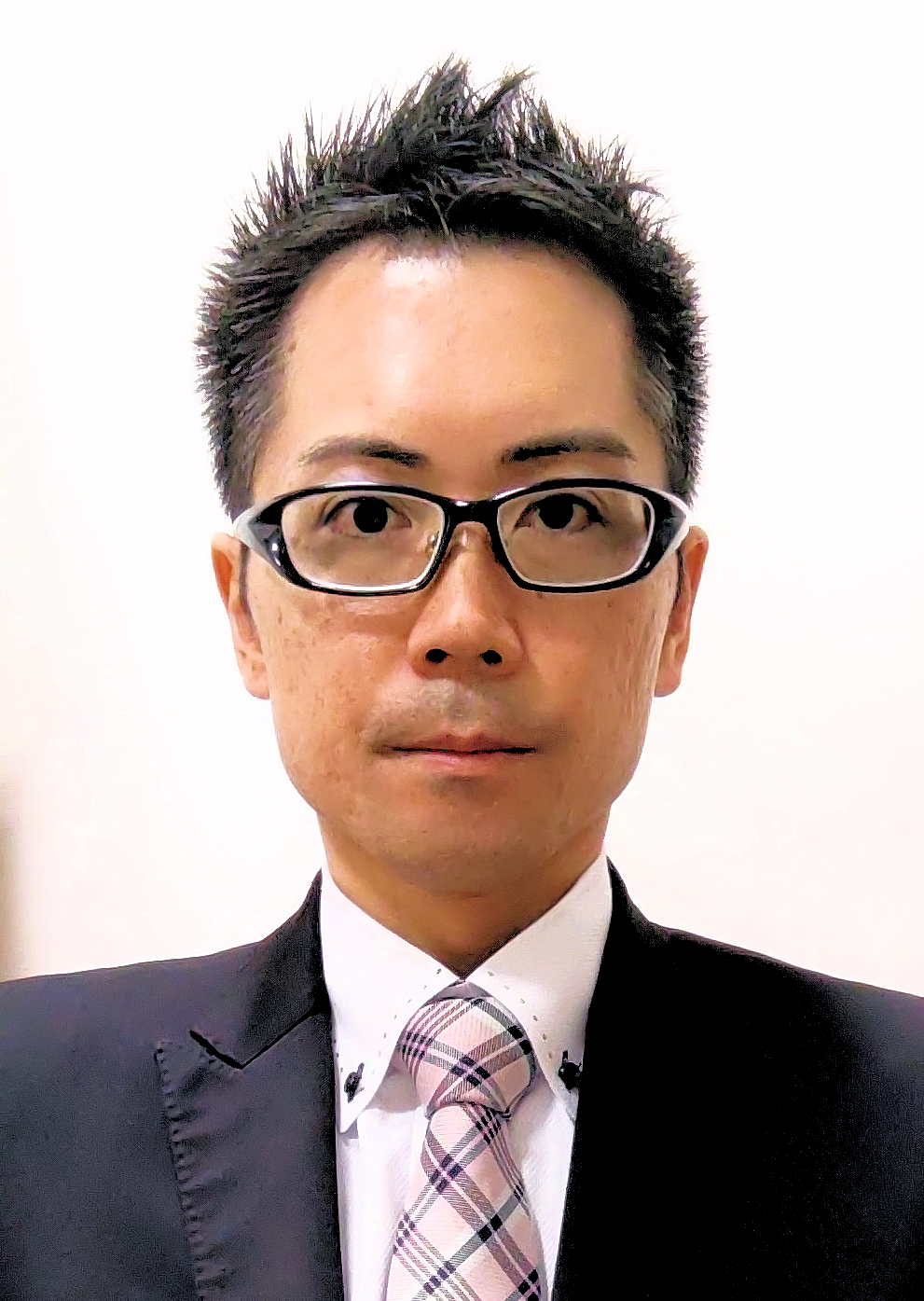
Prof. Osamu TERASHIMA
Email: terashima.osamu.e0@f.gifu-u.ac.jp
Gifu university, JAPAN
Speech Title: Biomimetic approaches to noise and vibration reduction in mechanical systems
Abstract:Biomimetic design provides a promising approach to noise and vibration reduction by introducing functional material structures inspired by biological systems. This presentation focuses on two complementary approaches for controlling structural vibration and flow-induced noise.
The first approach is inspired by the heterogeneous structure of insect cuticle, in which stiff and compliant regions coexist. Hard and soft polymer regions were integrated into a single sheet using photo-patterning polymerization, enabling the spatial distribution of stiffness and damping to be controlled without adhesive interfaces. Experimental measurements, finite-element analysis, and a reduced-order two-degree-of-freedom model demonstrated that the arrangement of soft regions strongly influences resonance characteristics and vibration transmission. In a vehicle-floor experiment at 50 Hz, the patterned sheet reduced transmitted acceleration by up to 6.1 dB compared with the case without an insert.
The second approach is inspired by porous structures associated with avian feathers. A porous poly(vinyl alcohol) material having high acoustic transmissibility and very low permeability to steady flow was applied to flow-exposed surfaces. Wind-tunnel experiments showed that the treatment modified coherent vortex structures and reduced tonal flow-induced noise by approximately 20 dB. Application to an electric-vehicle HVAC outlet also reduced low-frequency noise by several decibels without decreasing the mean outlet velocity. These results demonstrate that controlled spatial heterogeneity and acoustic or mechanical impedance can provide lightweight alternatives to conventional damping and acoustic treatments, offering a common biomimetic design strategy for quieter mechanical systems.

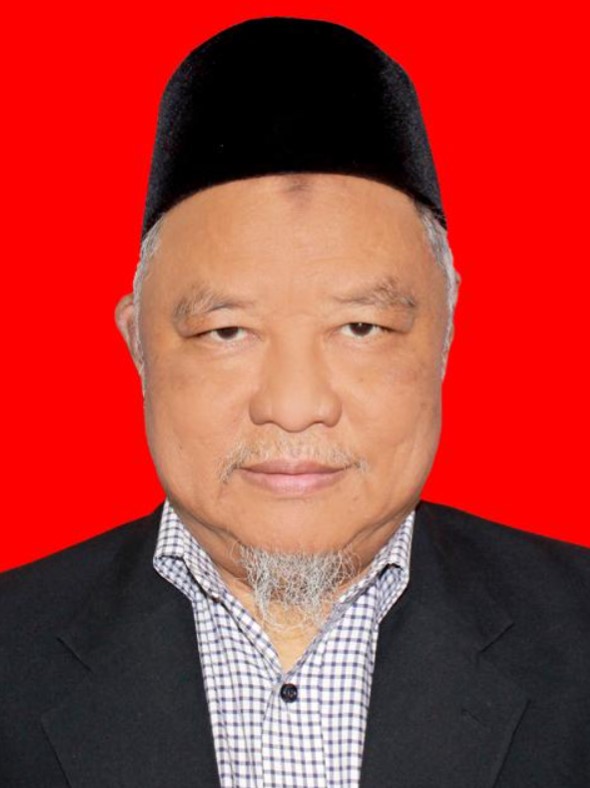
Prof. Dr. Md. Mahbub Alam
Email: alam@hit.edu.cn
Harbin Institute of Technology, CHINA
Speech Title: Fish-Inspired Biomechanical Features for Multifunctional Underwater Robots
Abstract:Over hundreds of millions of years, fish have evolved remarkable swimming capabilities, achieving high speed and efficiency through sophisticated control of body motion and the surrounding flow. Understanding these biomechanical features provides valuable inspiration for the development of multifunctional underwater robots. Natural swimmers generally employ two major propulsive strategies: caudal-fin pitching propulsion (e.g. salmon, tuna, dolphins, and sharks) and travelling-wave propulsion (e.g. eels and lampreys). A key question is whether caudal-fin motion is symmetric about the propulsion axis during swimming. We therefore conducted experiments on fish to characterize caudal-fin kinematics and subsequently examined the observed motion numerically using a hydrofoil to elucidate the underlying fluid–structure interactions and their effects on thrust and efficiency. This lecture covers (i) experiments on fish swimming, (ii) enhancement of thrust and efficiency using experimentally observed fin motion, (iii) fluid–structure interactions associated with fish-inspired propulsion, and (iv) the hydrodynamic performance of travelling wavy foils under varying Strouhal number, Reynolds number, and wavelength. The results show that caudal-fin motion is asymmetric, with the retract stroke being faster than the forward stroke. This asymmetric pitching motion enhances both thrust and efficiency. Propulsive force increases with increasing Strouhal number, Reynolds number, and wavelength, whereas shorter wavelengths produce lower but steadier thrust. A slender tail or swimming body cannot sustain a large travelling wavelength because the associated added mass increases its effective inertia. In contrast, longer wavelengths enhance maximum instantaneous thrust, which may benefit rapid escape from predators. These biomechanical principles offer useful guidance for designing multifunctional underwater robots with enhanced propulsion, efficiency, and maneuverability.

Professor Firoz Alam
Email: firoz.alam@rmit.edu.au
School of Engineering
RMIT University, AUSTRALIA
Speech Title: A Prospective New Energy Hydrogen: Challenges and Opportunities
Abstract: The increasing global population and socio-economic activities have led to a significant surge in energy demand, accompanied by severe environmental pollution and climate change issues such as global warming, frequent extreme weather events, and biodiversity losses. Furthermore, the reserves of fossil fuels are finite and rapidly depleting. Therefore, the finding of alternative zero-emission and/or low-carbon new energy (such as solar, wind, geothermal, and hydrogen energy) has become vital to developing cleaner, more efficient, and sustainable energy solutions. To achieve both the "carbon neutral" goals and worldwide sustainable energy development, the production of green hydrogen is crucial. Green hydrogen can efficiently balance energy supply and demand by converting excess renewable energy into hydrogen for storage and transportation, thereby increasing the overall stability and efficiency of the energy system, especially considering the intermittent and unpredictable nature of solar and wind renewable energy supplies. Thus, the main objectives of this work are to provide an overview of global renewable hydrogen energy development, challenges, opportunities, and a roadmap for a green hydrogen strategy for emerging and developing countries, including Bangladesh.
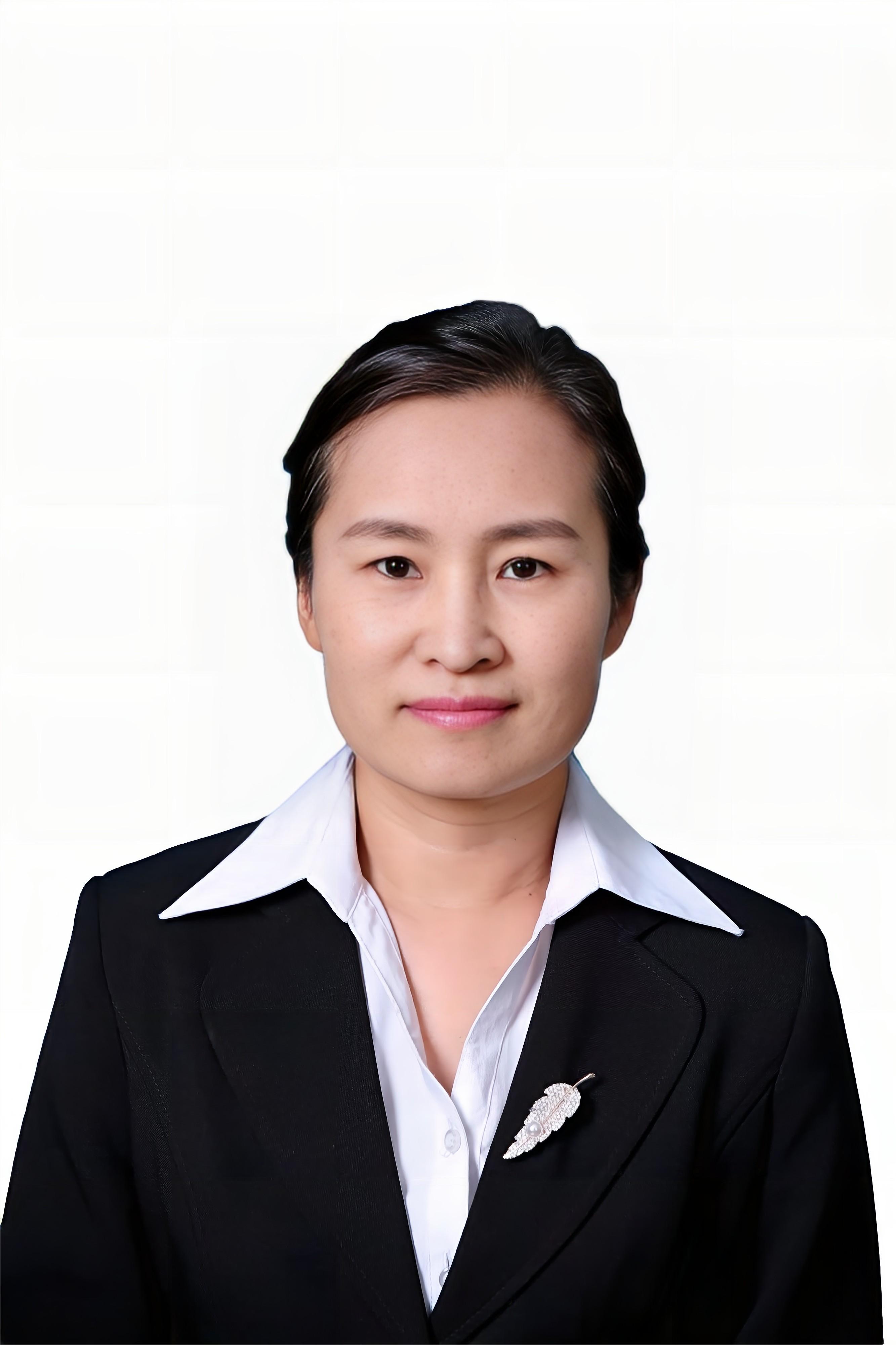
Professor Yingai Jin
Email: jinya@jlu.edu.cn
Jilin University, CHINA
Speech Title: The Application of Energy Storage Technologies in Integrated Energy Systems: Current Status, Challenges, and Future Prospects
Abstract: Integrated Energy Systems (IES) are becoming increasingly essential for achieving high energy efficiency and ensuring stable energy supply, especially with the growing share of renewable energy sources. Energy storage technologies play a pivotal role in these systems by balancing energy supply and demand, stabilizing grid operations, and enhancing the flexibility of energy use. This study provides an overview of the current applications of various energy storage technologies, including electrochemical, mechanical, thermal, and chemical storage, in IES. The advantages and limitations of each technology are discussed, along with their specific roles in IES implementation. Additionally, key challenges related to technology, cost, and policy that impede the widespread adoption of storage solutions are identified. Finally, future trends in energy storage development are explored, with a focus on technological advancements, cost reductions, and policy frameworks that could facilitate the large-scale integration of storage technologies into IES.
Professor Mainul Islam
Email: Mainul.Islam@unisq.edu.au
University of Southern Queensland, AUSTRALIA
Speech Title: Next-Generation Sustainable Composites from Agricultural Wastes
Abstract: The shift towards circular and low-carbon manufacturing demands engineering materials that are renewable, affordable and structurally reliable. Agricultural wastes, produced in vast quantities and largely burned, mulched or landfilled, offer an abundant and underutilised resource for such materials. This keynote presents recent progress at the University of Southern Queensland on transforming agricultural residues into next-generation sustainable composites for structural and semi-structural applications. Using macadamia nutshell as a representative case, the talk outlines how the chemical, thermal and mechanical characteristics of lignocellulosic wastes make them attractive reinforcements for polymer and cementitious matrices. Results from particulate composites in epoxy and vinyl ester resins are discussed, showing that an optimum filler loading delivers improved stiffness and flexural strength, while excessive loading leads to agglomeration, void formation and weakened interfaces. The extension of this approach to sandwich cores, building panels and other green construction products is highlighted. The presentation also includes key challenges and opportunities, including surface modification of fillers, hybrid reinforcement, long-term durability, life-cycle assessment and scale-up manufacturing, demonstrating how waste-derived composites can address environmental, economic and performance goals together..